

The Rise of AI in CCTV: Smarter Than Ever
Table of contents:
• Definition: What is AI-Powered CCTV?
• Key features: motion detection, facial recognition, anomaly alerts
• Use Cases: Where Smart CCTV Makes the Biggest Difference
• Benefits: What Makes These Systems Worth It
• Implementation tips & caveats
• Future Outlook: What’s Next for Smart CCTV?
Definition: What is AI-Powered CCTV?
Most people think of CCTV as a simple recording system—cameras quietly watching and saving hours of footage that someone might check later, if needed. But that idea is quickly going out of date.
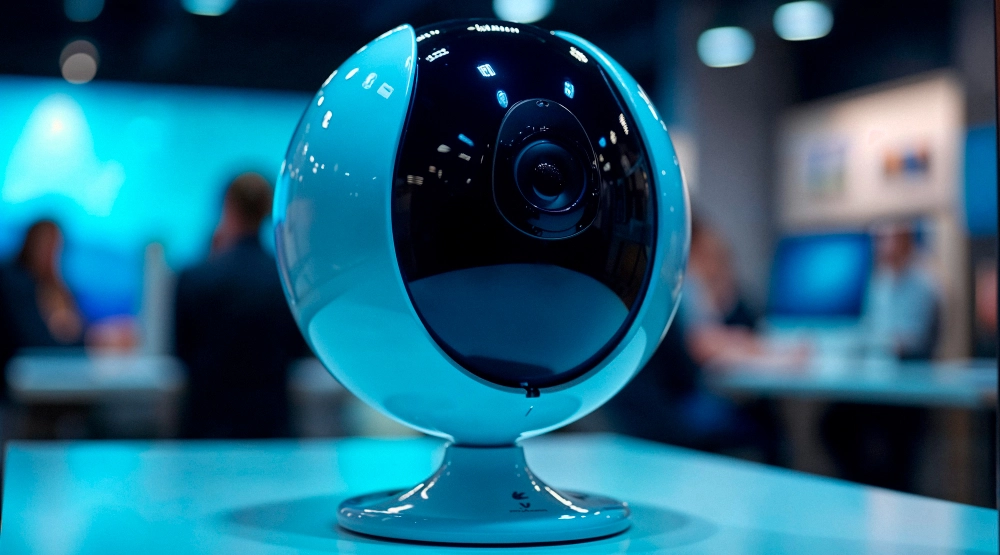
Modern security cameras have changed. They’re no longer just passive observers—they’re sharp-eyed, fast-thinking assistants. These systems don’t just watch; they notice. They know when something’s off. They can spot a person where no one should be, follow movement through a yard or barn, or catch the exact moment a gate opens after dark.
Instead of relying on someone to scroll through footage after an incident, these new systems pick out what matters in the moment. They can flag unusual activity, send alerts, and even tell the difference between a car pulling into your driveway and a dog running through a field.
It’s like replacing a row of sleeping guards with a single, alert one who never blinks.

Key features: motion detection, facial recognition, anomaly alerts
Today’s cameras aren’t just there to record—they’re built to notice, react, and alert. Here are some of the standout features that set modern CCTV apart from the old setups:
Motion Detection
This is the backbone of any smart system. The camera watches for movement and springs into action when something enters its view. Whether it’s a vehicle pulling into the yard at midnight or a figure passing by the back door, you’ll know about it the moment it happens.
Facial Recognition
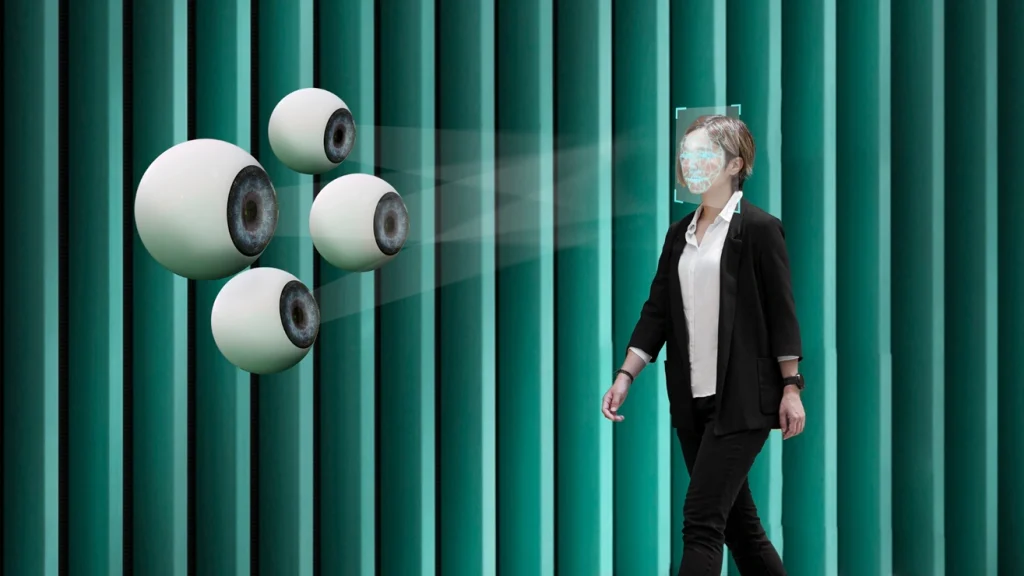
Some systems can go a step further and tell the difference between familiar faces and strangers. This means you can get a heads-up if someone unknown is near your property—or avoid being bothered by alerts every time a family member comes home.
Anomaly Alerts
The real strength lies in spotting things that don’t fit the usual pattern. A door opening at an unusual hour, movement in an empty shed, or someone walking around the premises after closing time—your system flags it right away. It’s like having a second sense that picks up on the odd and unexpected.
Use Cases: Where Smart CCTV Makes the Biggest Difference
1. Farms
Security on a farm is about more than intruders. It’s about keeping track of everything spread out across the land—from calving sheds to fuel tanks. A modern CCTV setup lets farmers check in on livestock during the night, see if gates are left open, or get an alert if there’s movement near machinery after hours. It’s like having an extra pair of eyes in the places you can’t be all the time.
2. Homes
Whether you’re in a busy town or a quiet countryside lane, knowing your home is being watched when you’re not there is a huge relief. Today’s systems can send you a notification if someone walks up the driveway, rings the doorbell, or lingers too long by the back gate. They can also help sort out everyday issues—like checking if a package was delivered, or seeing when the kids got home from school.
3. Businesses
Shops, offices, and storage units all face different risks—but they all benefit from good surveillance. Cameras can deter break-ins, monitor after-hours activity, and help resolve issues like stock loss or staff safety concerns. For business owners, it’s also a way to stay connected to the premises remotely, especially when they’re off-site or managing multiple locations.

Benefits: What Makes These Systems Worth It
Fewer False Alarms
One of the biggest frustrations with older camera setups is constant false alerts—trees swaying in the wind, birds flying by, or a cat wandering past setting everything off. With smarter detection in place, the system knows the difference between real movement and everyday background noise. That means you only get alerted when it actually matters, not every time a gust of wind shakes a branch.
Automated Monitoring
You can’t be everywhere at once—but your camera system can. Instead of having to watch hours of footage or keep checking a live feed, these systems keep watch for you and step in only when something important happens. Whether it’s a delivery at the front door, a vehicle arriving late at night, or someone entering a restricted area, the camera does the job of monitoring, sorting, and notifying—all in the background, so you don’t have to.
Implementation tips & caveats
Choose the Right Locations
The most common mistake people make is putting cameras in the wrong places. Focus on entry points, blind spots, and high-value areas. For farms, that might mean sheds, fuel storage, and gates. At home, think doors, driveways, and garden paths. In business, it’s cash points, stock rooms, and loading bays.
Keep Lighting in Mind
Even the best cameras struggle in total darkness. Some come with night vision, but for best results, a little bit of outdoor lighting goes a long way. Motion-sensor lights paired with cameras are a powerful combination—they improve visibility and act as a deterrent.
Don’t Forget Internet & Power
If your cameras are cloud-based or need remote access, a solid internet connection is key. For more remote spots—like outbuildings or gates—you might need Wi-Fi extenders, wired connections, or even mobile signal setups. And of course, reliable power is essential, unless you’re using solar units.
Understand the Rules
If you’re filming public areas like footpaths or neighbouring property, you might need signage or permission—especially in business or rented spaces. It’s worth checking local regulations to stay on the right side of the law.
Keep It Maintained
Cameras, like any bit of outdoor tech, need care. That means cleaning the lenses, checking for cobwebs, making sure nothing’s blocking the view, and testing alerts every now and then. A few minutes a month can save you from missing something important.

Future Outlook: What’s Next for Smart CCTV?
Security cameras are getting smarter every year. Soon, they won’t just notice movement—they’ll understand what’s happening. For example, your system might tell if someone at your door is a family member, a delivery driver, or someone who shouldn’t be there, without you needing to check.
These cameras will increasingly team up with other devices—like lighting systems, security alarms, and even machinery on farms. Working together, they’ll boost the overall safety of your property and respond more quickly when something’s amiss.
Protecting privacy will also take center stage. As these systems become smarter, new guidelines and features will ensure your information stays secure and that others’ privacy is respected.
In short, CCTV is evolving from simply capturing footage to becoming a trusted helper that makes safeguarding homes, farms, and businesses easier and more effective.