
How CCTV Can Boost Insurance Claims and Reduce Premiums
Table of contents:
• The Smart Strategy
• Why Insurers Love CCTV Footage
• Stats on Claims Reduction
• Real-World Examples: When CCTV Made All the Difference
• Tips: Guidelines for Admissible Evidence
• Camera Placement & Recording Settings
The Smart Strategy
When something goes wrong—whether it’s a break-in at home, storm damage on a farm, or a slip-and-fall at a business—proving what actually happened can make all the difference. That’s where CCTV steps in.
Insurers aren’t just accepting camera footage these days—they’re actively encouraging it. From speeding up claim approvals to offering lower premiums for properties with surveillance, having cameras in place is no longer just about security—it’s smart insurance strategy.
In this article, we’ll explore why insurance companies value CCTV so highly, share real-world examples of how footage has helped in different settings, and give practical tips to make sure your system is set up the right way—so if the worst happens, you’re ready.

Why Insurers Love CCTV Footage
From an insurer’s point of view, uncertainty is the enemy. The longer it takes to figure out what happened, the longer a claim drags on—and the more room there is for disputes, exaggeration, or outright fraud.
That’s why CCTV footage is such a game-changer. It provides clear, time-stamped proof of events as they happened. No guessing. No he-said-she-said. Whether it’s a burglar hopping a fence, a delivery van damaging a gate, or a customer slipping on a wet floor, the footage helps get straight to the facts.
This kind of evidence can:
- Speed up the claims process
- Reduce the chance of a claim being denied
- Protect you from false liability
- Help insurers calculate fairer premiums
Some insurance companies even offer discounts or extra coverage for properties with approved CCTV setups, because they know the risk—and the guesswork—is lower.

Stats on Claims Reduction
It’s not just theory—CCTV really does help bring insurance claims down, both in frequency and cost.
- A UK-based insurance study found that properties with working CCTV cameras experienced up to 20% fewer burglary claims compared to those without.
- Business owners with CCTV in place reported 30–50% faster claim resolutions, especially in public liability and employee-related cases.
- Farms with visible surveillance systems saw a significant drop in reported theft and vandalism, with some insurers estimating up to 15% lower overall claims in rural areas.
- Insurance providers like AXA and Aviva have stated publicly that footage can be the deciding factor in complex or high-value claims.
For insurers, that means less fraud, less paperwork, and quicker decisions. For you, it means fewer headaches, faster payouts, and in some cases—lower premiums.
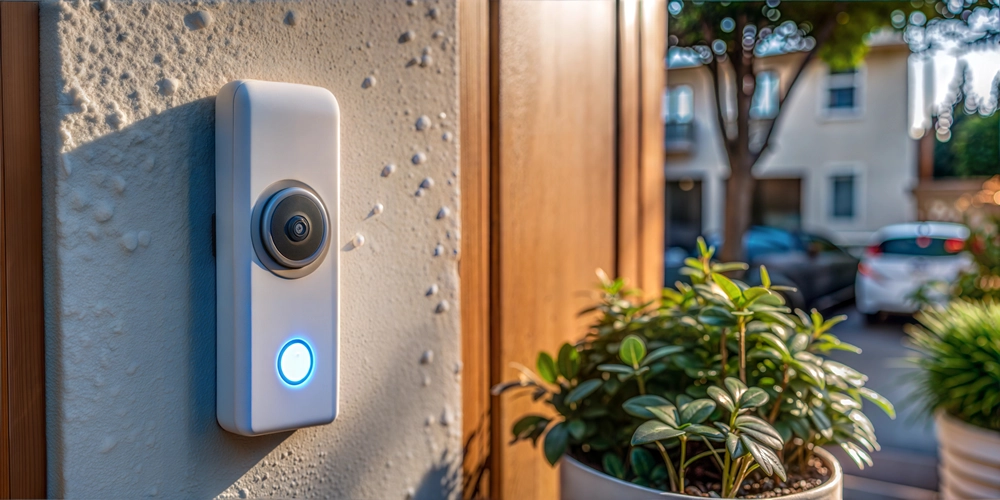
Real-World Examples: When CCTV Made All the Difference
Home Burglary
A couple in Castlebar came home from a weekend away to find their back door smashed in. Thankfully, their front and rear cameras caught the thief’s car pulling up, the break-in itself, and the direction they left in. They handed the footage to Gardaí and their insurer. The result? A fast claim approval and a suspect arrested within days.
Farm Damage
A Mayo sheep farmer woke one morning to find a gate bent and part of his fencing knocked over. It looked like storm damage—until the CCTV showed a neighbour’s tractor reversing into it the night before and driving off. With the evidence in hand, the insurer processed the repair claim and later recovered costs from the third party. No hike in premium, no dispute.
Business Liability
In a local café, a customer claimed they slipped on a wet floor near the toilets and wanted compensation. But footage from a ceiling-mounted camera showed the person checking their phone and missing a step—no puddle, no warning signs needed. The business avoided a costly payout, and their insurer closed the case quickly without raising their premium.
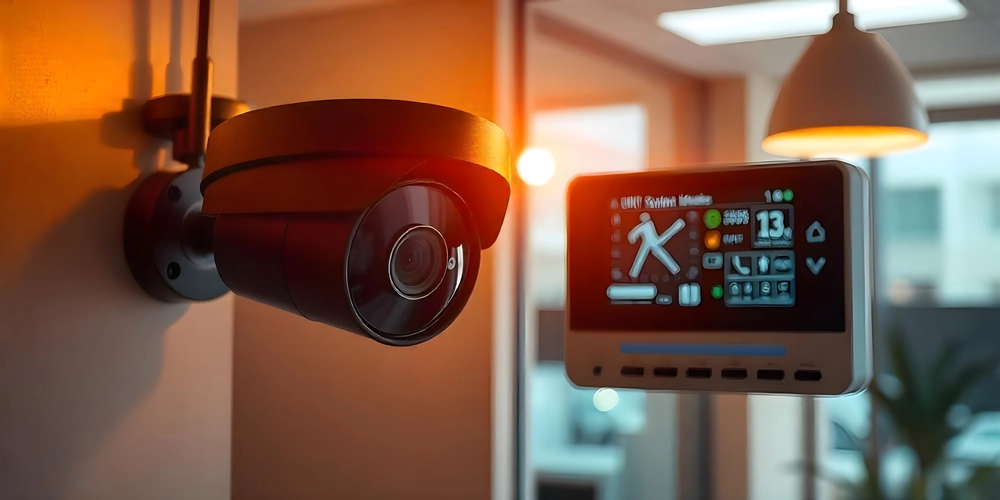
Guidelines for Admissible Evidence
Having CCTV is great—but not all footage holds up if a claim is challenged. To make sure your recordings count when it matters, keep these basics in mind:
✅ Time & Date Stamps
Insurers and investigators need to know exactly when something happened. Make sure your system displays accurate time and date on the video, and that the clock is regularly updated.
✅ Image Clarity
Footage should be clear enough to see what’s going on—faces, vehicles, movements. Blurry or low-resolution clips might not be accepted. Go for cameras with good night vision and HD quality if possible.
✅ Retention Period
Most insurers will want access to footage within 7–30 days of an incident. Make sure your system stores recordings long enough—especially if it’s motion-triggered only.
✅ Consistent Coverage
Avoid big blind spots. One camera won’t be enough in most situations. If something important happens just outside the frame, it may not help your claim.
✅ No Tampering
Footage must be stored safely and not edited in any way. Use secure storage, whether it’s on a hard drive, SD card, or cloud system. Insurers may ask for original files.

Tips: Camera Placement & Recording Settings
You don’t need a Hollywood setup—but placing your cameras wisely can make all the difference when it comes to protecting your property and supporting a claim.
🎯 Camera Placement Tips
- Entry Points First
Cover doors, gates, and any area where someone could get in or out. These are often key in both break-ins and liability cases. - Driveways & Access Roads
Especially useful in rural or farm settings—capturing vehicles or machinery movement can be crucial. - Wide Views & Overlaps
Set up multiple cameras to avoid blind spots and get full coverage. Think of your setup like a jigsaw—each piece adds to the full picture. - Height & Angles
Mount cameras high enough to avoid tampering, but angled low enough to clearly capture faces or key activity zones.
⚙️ Recording Settings
- Motion-Triggered + Continuous
If possible, mix both. Motion-triggered helps save space, but continuous recording ensures you don’t miss anything. - HD Quality
Stick to 1080p or better. Grainy footage won’t help your case. - Backups
Use cloud or external backups so important clips aren’t lost if something damages the main unit.