
Integrating CCTV with Smart Locks & Lighting
Table of contents:
• Introduction: When Cameras Aren’t Enough
• System Overview: How It All Connects
• Real-World Scenarios: What It Looks Like in Action
• The Pros and Cons of an Integrated System
• Setup Guide & Maintenance Tips
Introduction: When Cameras Aren’t Enough
It used to be that having a few security cameras around your home or farm was enough. They recorded what happened, and if something went wrong, you had footage. Simple. But times have changed. Now, people expect more than just recordings—they want real-time control, automatic responses, and peace of mind wherever they are.
That’s where integration comes in.
By connecting your CCTV system with smart locks and lighting, you can do more than just watch. You can respond, automate, and even prevent problems before they escalate. Imagine arriving at your gate on a dark winter evening—your lights come on, the gate unlocks, and the house is already one step ahead of you. Or think about a break-in attempt being stopped in its tracks because the lights blast on and the shed door locks itself tight.
This kind of setup isn’t just for tech enthusiasts or big-budget builds. With the right approach, it’s well within reach for families, business owners, and farmers looking to make their security smarter—and their lives easier.
Let’s break it down.
System Overview: How It All Connects
When people hear “smart security,” they sometimes picture something overly complex or expensive. But really, it’s just about getting a few key devices to work together—so your home, yard, or business can respond the way you want it to.
At the heart of it, there are three main parts:
1. CCTV Cameras
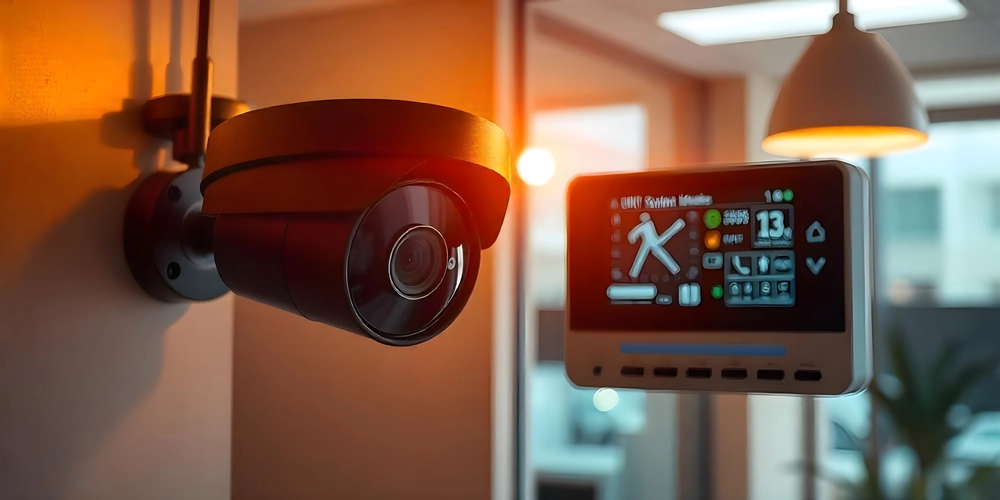
These keep an eye on things 24/7. The better models can spot movement, send live alerts to your phone, and even let you talk through them. If you’re already using cameras, this is the starting point for your setup.
2. Smart Locks
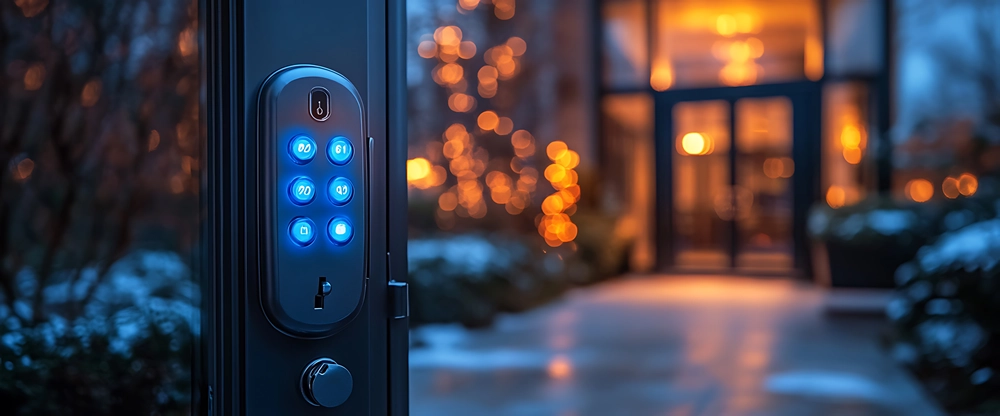
These replace traditional locks on doors, sheds, or gates. You can unlock them using your phone, a keypad, a fob, or even a fingerprint. You can also lock or unlock them from anywhere, which is handy if someone needs to access your property while you’re away.
3. Smart Lighting
This includes floodlights, porch lights, or yard lighting that switches on automatically when motion is detected—or when you set a schedule. Some can be dimmed or changed based on the time of day.
What ties it all together is the control system—usually an app or a smart home hub. This is where you set up automations like “If the camera sees movement after 9pm, turn on the back light and send a notification.” You can also view your cameras, lock and unlock doors, and adjust lights all from your phone.
Together, these pieces create a setup that’s far more responsive than any one part on its own. It’s not just about seeing what’s happening—it’s about reacting in real time, from wherever you are.
Real-World Scenarios: What It Looks Like in Action
It’s one thing to talk about smart cameras, locks, and lights—but the real value is in how they work together during everyday moments. Here are a few examples where integrated security makes a real difference.
1. Evening Arrival at the Farm
You pull into the lane after a long day. It’s dark and raining. Before you even reach the gate, your camera picks up the movement of your car. Within seconds, the yard lights flick on, the gate unlocks automatically, and your phone buzzes with a quiet confirmation. No fumbling with keys, no hopping in and out of the vehicle. The whole place feels one step ahead of you.
2. Late-Night Suspicious Activity
It’s after midnight, and someone steps onto your property near the back shed. The motion sensor on your camera picks it up right away. Instantly, the floodlights power on, the side gate lock engages, and your phone starts streaming live footage. You don’t even have to be there to react—you can shout a warning through the speaker or call Gardaí with a time-stamped video in hand.
3. Letting Someone In Remotely
You’re at the mart when a delivery shows up early at your home or workshop. The driver calls, and instead of rushing back, you pull out your phone. A quick check of the live feed confirms it’s safe. You tap to unlock the side door, and even switch on the hallway light so they can see. Once the job’s done, you lock up again with a single tap.
These aren’t futuristic ideas—they’re happening right now in homes and farms across Ireland. Whether it’s convenience, safety, or simply being in control from a distance, this kind of setup takes everyday situations and makes them easier to manage.
The Pros and Cons of an Integrated System
Like anything, bringing your cameras, locks, and lighting together has its upsides—and a few things to watch out for. Here’s a straightforward look at both.
✅ The Pros
1. Real-Time Reactions
Instead of just seeing something happen, your system can do something—turn on lights, lock doors, send alerts. That can stop a problem before it starts.
2. Full Control from Anywhere
Whether you’re in the back field or away on holidays, you can check your cameras, unlock a gate, or switch on lights from your phone.
3. Makes Life Easier
No more rushing home to meet a delivery. No more wondering if you locked the side door. These small things add up to less stress in your day.
4. Stronger Deterrent
A sudden floodlight and a locked gate can do more to scare off a trespasser than a silent camera alone.
5. Better Use of What You Already Have
If you’ve got cameras, lights, or smart locks already, connecting them together makes them a lot more useful.
⚠️ The Cons
1. Upfront Cost
Buying multiple smart devices—and possibly a central hub—does cost more than a basic camera setup.
2. Internet Dependency
Most of these systems rely on solid Wi-Fi or mobile data. If your connection is weak, you might experience delays or missed alerts.
3. Setup Can Be Tricky
While many systems are designed for DIY, getting everything to work smoothly might take time—especially if you’re mixing brands.
4. Learning Curve
You may need to get familiar with an app or two. Some routines or automations take trial and error to get right.
Bottom line? If you’re willing to put a little time (and a bit of money) into it, an integrated system can be a powerful upgrade—especially if you value both convenience and peace of mind.
Setup Guide & Maintenance Tips
Getting everything up and running isn’t as complicated as it sounds—but it pays to plan things out from the start. Here’s how to do it right.
Step 1: Map Your Property
Before buying anything, walk the property and ask yourself:
- Where are the weak points?
- Where does lighting fall short?
- Which doors or gates should be smart-locked?
A sketch on paper (or even on your phone) will help clarify what you need and where it should go.
Step 2: Choose Compatible Devices
Some smart gear talks to each other easily—others don’t. It’s often best to stick with one ecosystem, like Google Home, Alexa, or Apple HomeKit. If you’re unsure, ask your installer or local tech shop what works well together.
Pro tip: Pick cameras and locks that have mobile alerts, motion triggers, and remote access built-in.

Step 3: Set Up Automation
Use your app to create routines. Example: “When the back camera detects movement after 10pm, turn on the yard lights and send an alert.” These automations are where real-time protection comes into play.
Start with simple ones—you can always add more later.
Step 4: Test Everything
Walk past your cameras at night. Try unlocking the door remotely while standing outside. Make sure your internet signal reaches everywhere it needs to. Better to find issues now than in the middle of a downpour.
Step 5: Maintain Regularly
Every few months:
- Check for software updates on all devices
- Make sure locks are responsive and batteries are strong
- Clean camera lenses and light sensors
- Review automations to see if they still suit your routine
A smart system only stays smart if you keep it in shape.
Final Thought
Integrating your CCTV with smart locks and lighting isn’t just about fancy gadgets. It’s about being in control—whether you’re at home, at work, or miles away. A well-set-up system keeps life flowing smoothly and gives you peace of mind that someone (or something) is always looking out for your property.